
Nepal at a Glance 🇳🇵
Discover Nepal - fun facts, national symbols, geography, and famous landmarks explained for kids.
About Nepal
Nepal (नेपाल) is a beautiful South Asian country nestled between China and India. It's home to the world's highest peak - Mt. Everest (Sagarmatha), the birthplace of Lord Buddha - Lumbini, and the only non-rectangular national flag in the world.
From the flat fertile Terai plains to the towering Himalayan peaks, Nepal packs incredible diversity into a small area. This page is a kid-friendly introduction to Nepal's geography, national symbols, and fascinating facts.
Nepal Quick Facts
Official Name
Federal Democratic Republic of Nepal
आधिकारिक नाम: सङ्घीय लोकतान्त्रिक गणतन्त्र नेपाल
Capital
Kathmandu
राजधानी: काठमाडौं
National Language
Nepali (नेपाली)
राष्ट्रिय भाषा: नेपाली
National Flag
Two-triangle pennant (only non-rectangular national flag)
राष्ट्रिय झण्डा: दुई त्रिकोणीय पताका
National Animal
Cow (Gai)
राष्ट्रिय पशु: गाई
National Bird
Danfe (Himalayan Monal)
राष्ट्रिय चरा: डाँफे
National Flower
Rhododendron (Gurans)
राष्ट्रिय फूल: गुराँस
National Color
Crimson Red
राष्ट्रिय रङ: रातो
Currency
Nepali Rupee (NPR)
मुद्रा: नेपाली रुपैयाँ
Highest Point
Mt. Everest (8,848.86 m)
सबैभन्दा अग्लो स्थान: सगरमाथा (८,८४८.८६ मि.)
Total Area
147,516 sq km
कुल क्षेत्रफल: १,४७,५१६ वर्ग कि.मि.
Population
~30 million
जनसंख्या: ~३ करोड
Number of Provinces
7 Provinces
प्रदेश संख्या: ७ प्रदेश
Calendar
Bikram Sambat (BS)
पात्रो: विक्रम सम्वत्
Birthplace of Buddha
Lumbini, Nepal
बुद्धको जन्मस्थान: लुम्बिनी, नेपाल
National Emblems (गौरवका प्रतीकहरू)
Nepal's national symbols represent its identity, culture, and natural heritage.
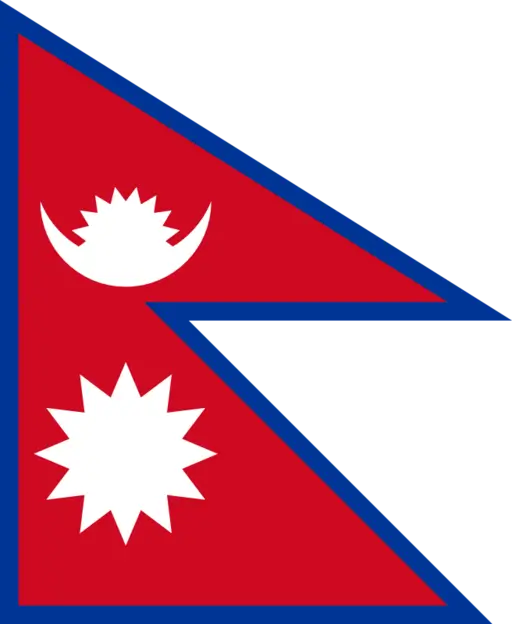
नेपालको झण्डा
Nepal Flag
Nepalko Jhanda
Nepal has the only non-rectangular national flag in the world. It consists of two stacked triangles representing the Himalaya mountains and the two major religions - Hinduism and Buddhism. The crimson red color symbolizes bravery, and the blue border represents peace.
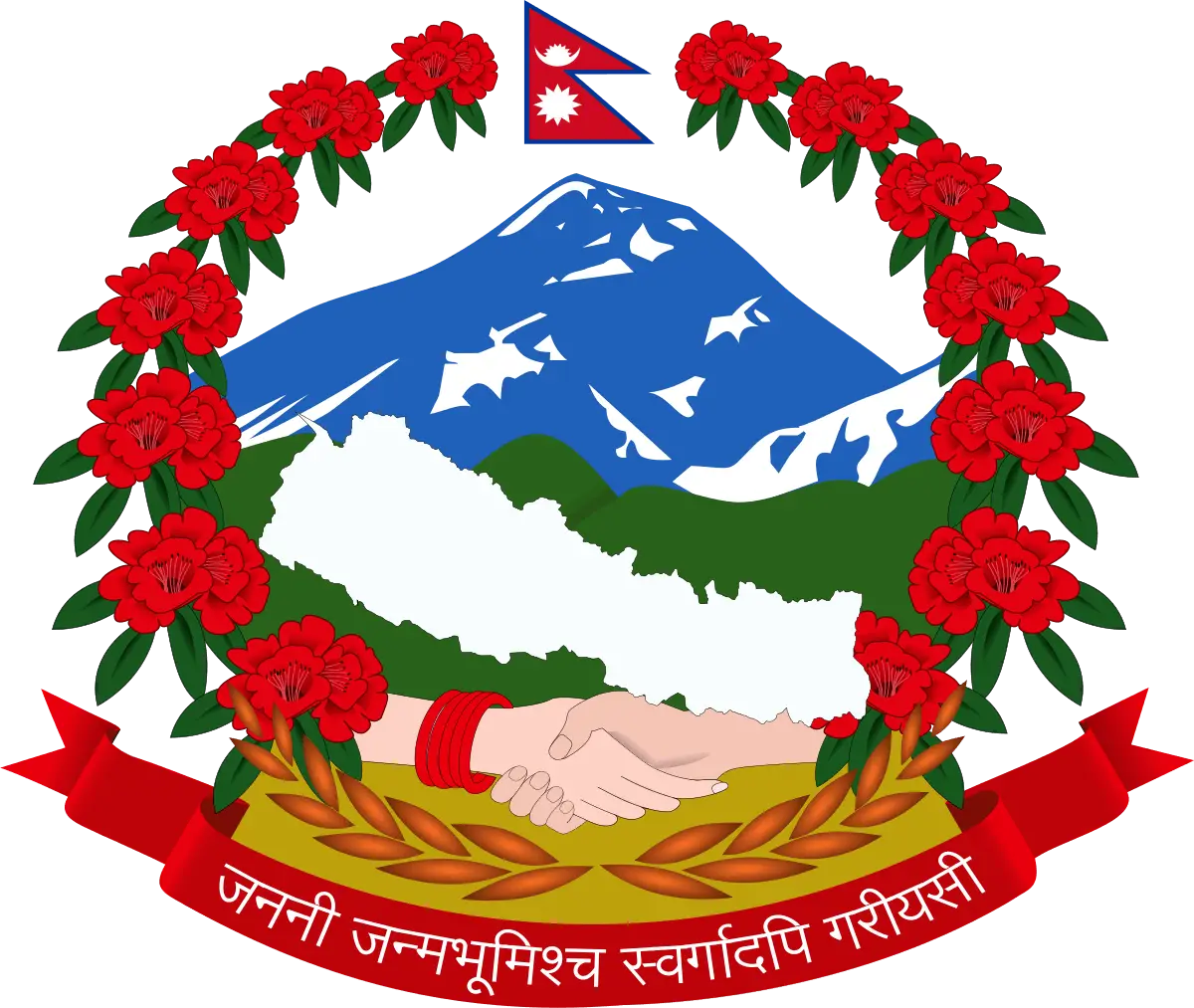
नेपालको निशान छाप
Coat of Arms of Nepal
Nepalko Nishan Chhap
The Coat of Arms of Nepal features Mt. Everest, green hills, and the Terai plains, representing Nepal's three geographic regions. It includes the national flag, male and female hands joined together symbolizing gender equality, and a garland of rhododendron flowers.
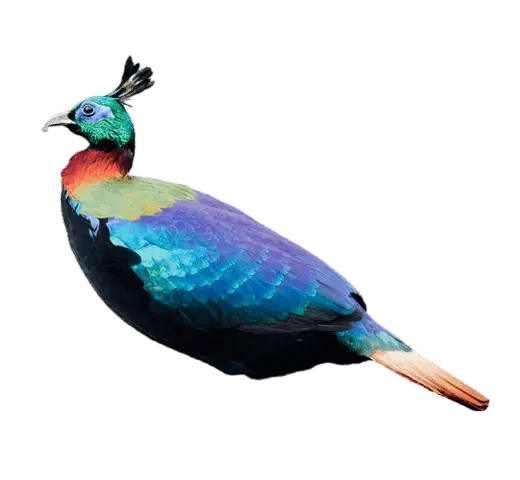
डाँफे
Danfe (Himalayan Monal)
Danfe
The Danfe (Himalayan Monal) is Nepal's national bird, known for its brilliantly colorful plumage with metallic green, purple, red, and golden feathers. It lives in the high-altitude forests of the Himalayas.
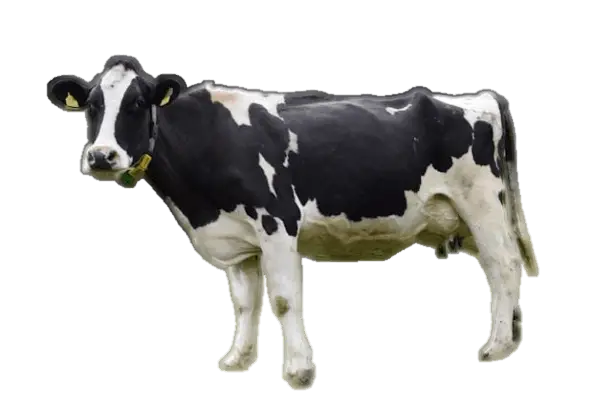
गाई
Cow (Gai)
Gai
The cow is Nepal's national animal and is considered sacred in Hindu culture. It is revered as the symbol of motherly love, wealth, and prosperity. Slaughtering cows is prohibited by law in Nepal.
गुराँस
Rhododendron (Gurans)
Gurans
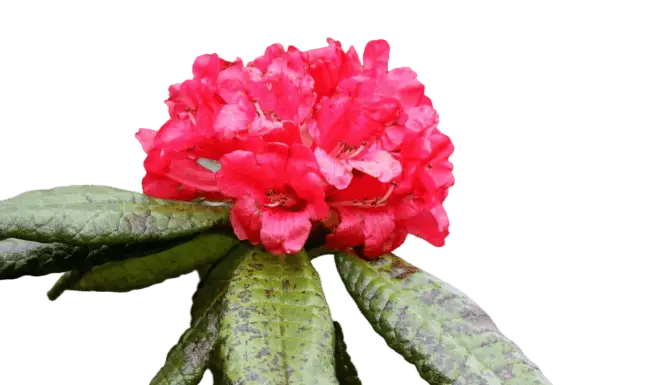
The Rhododendron (locally called Gurans or Lali Gurans) is Nepal's national flower. It blooms in bright red during spring (March-May) across the mid-hills, creating spectacular crimson hillsides. It is also the state flower of Sikkim.
सयौं थुँगा फूलका हामी
Sayaun Thunga Phoolka Hami
Sayaun Thunga
The national anthem of Nepal, adopted in 2007, celebrates the country's sovereignty, unity in diversity, courage, and natural beauty. The title translates to 'We are Hundreds of Flowers' (woven into one garland).
Geography of Nepal (भूगोल)
Explore Nepal's three geographic regions and famous landmarks.
तराई
Terai (Plains)
Terai
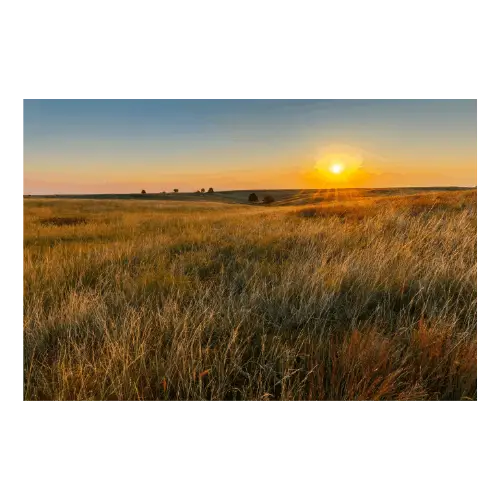
The Terai is Nepal's flat, fertile southern lowland region bordering India. It covers about 17% of Nepal's total area but is home to over 50% of the population. It's known for agriculture, wildlife reserves like Chitwan, and hot tropical climate.
पहाड
Pahad (Hills)
Pahad
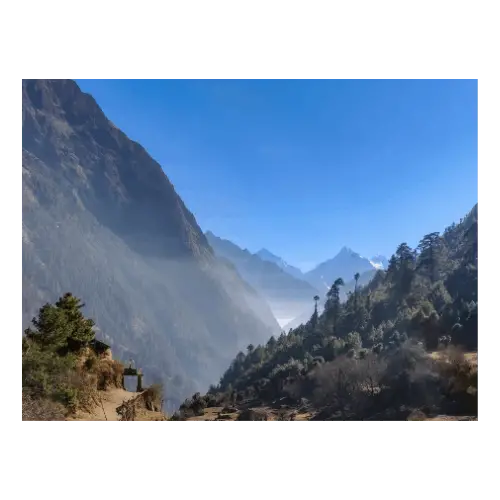
The Hill region (Pahad) lies between the Terai and the Himalayas. It includes Kathmandu Valley, Pokhara, and many ancient towns. The climate is temperate, and terraced farming is common on the hillsides.
हिमाल
Himal (Mountains)
Himal
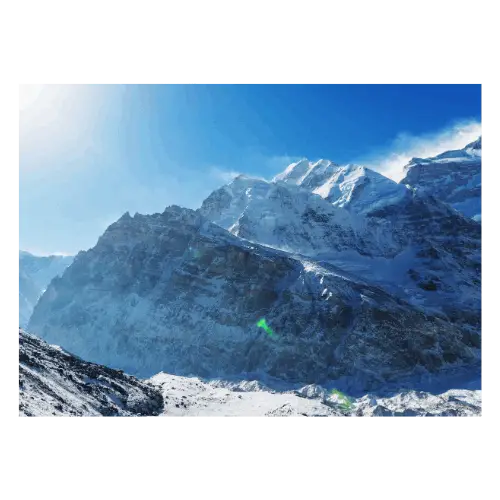
The Himalayan region is the northernmost part of Nepal, home to 8 of the world's 14 highest peaks including Mt. Everest (Sagarmatha). It covers about 35% of Nepal's area but has the smallest population. Sherpa communities live here.
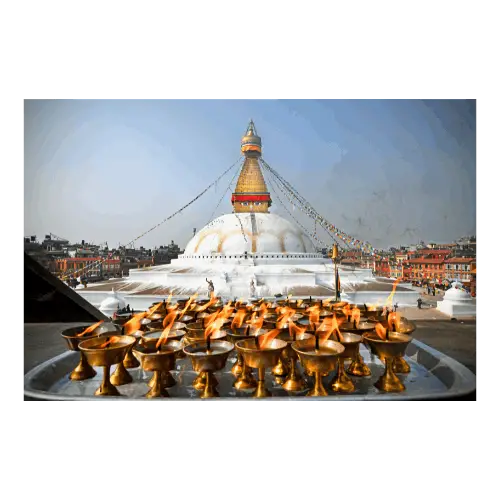
काठमाडौं
Kathmandu
Kathmandu
Kathmandu is Nepal's capital and largest city, located in the Kathmandu Valley at about 1,400 meters altitude. It has 7 UNESCO World Heritage Sites and is the cultural, political, and economic center of Nepal.
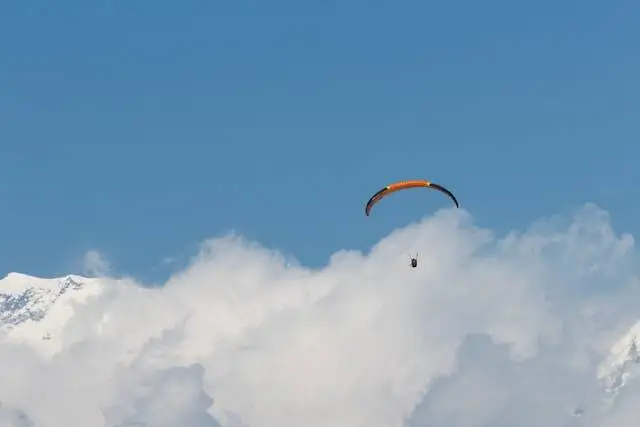
पोखरा
Pokhara
Pokhara
Pokhara is Nepal's second-largest city and the gateway to the Annapurna trekking region. It's famous for Phewa Lake with its reflection of the Machhapuchhre (Fishtail) mountain, and is a paradise for adventure sports.
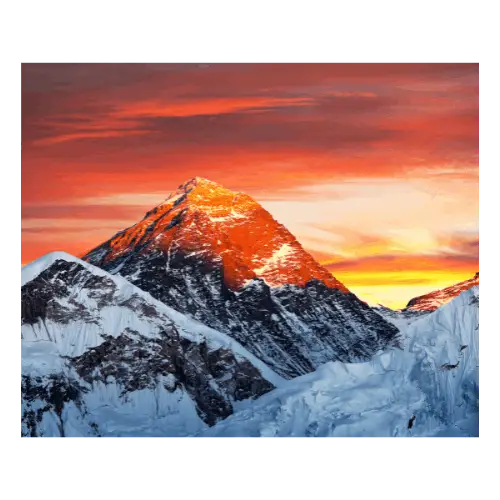
सगरमाथा
Mt. Everest (Sagarmatha)
Sagarmatha
Mt. Everest (Sagarmatha in Nepali) is the world's highest peak at 8,848.86 meters. Located in the Solukhumbu district, it was first summited by Tenzing Norgay Sherpa and Edmund Hillary in 1953. The Sagarmatha National Park is a UNESCO World Heritage Site.
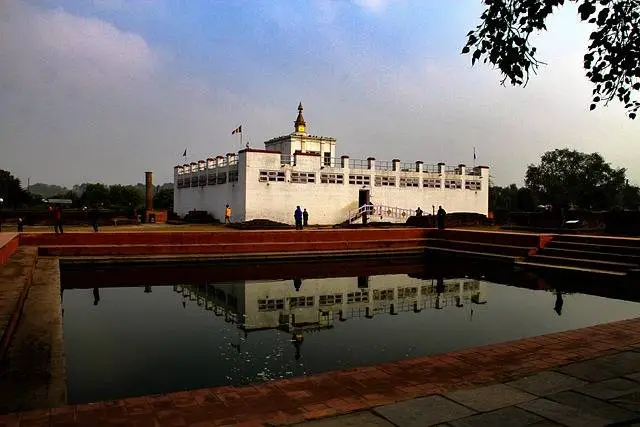
लुम्बिनी
Lumbini
Lumbini
Lumbini is the birthplace of Lord Gautama Buddha and a UNESCO World Heritage Site. Located in the Rupandehi district of the Terai, it is one of the most sacred places for Buddhists worldwide and attracts pilgrims from around the globe.
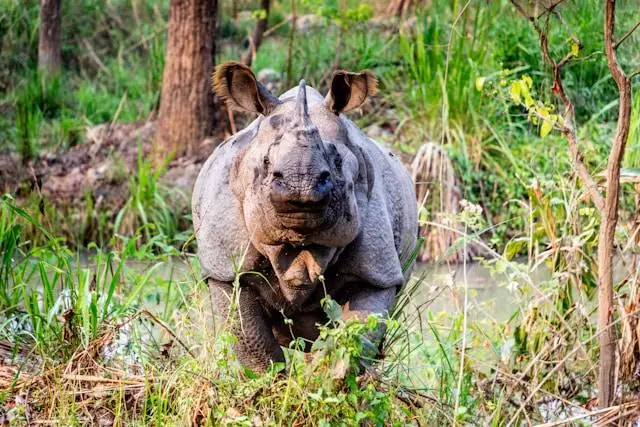
चितवन राष्ट्रिय निकुञ्ज
Chitwan National Park
Chitwan
Chitwan National Park is Nepal's first national park and a UNESCO World Heritage Site. It's home to one-horned rhinoceros, Bengal tigers, gharial crocodiles, and over 500 species of birds. Jungle safaris and elephant rides are popular activities.
Tips for Teaching Kids about Nepal
- Start with the flag. Nepal's unique non-rectangular flag is a great conversation starter. Have kids draw it and learn why it's different from other flags.
- Connect geography to animals. The Terai has rhinos and tigers (Chitwan), the Hills have monkeys and birds, and the Mountains have yaks and snow leopards.
- Learn national symbols in Nepali. Practice saying डाँफे (Danfe), गुराँस (Gurans), and गाई (Gai) - it reinforces both vocabulary and cultural knowledge. Build Vocabulary →
- Connect to festivals. Nepal's festivals are deeply tied to its culture and seasons. Learn how Dashain and Tihar connect to the autumn season. Learn Festivals →
- Use maps and images. Show kids where Nepal is on a world map, point out Mt. Everest, and trace the three geographic regions from south to north.
Frequently Asked Questions about Nepal
Common questions kids ask about Nepal.
Continue Learning
Explore related lessons and build on what you've learned.
Explore Nepal on Your Phone
Hamro Barnamala is a free app with audio pronunciation, tracing games, quizzes, and stories - perfect for kids and beginners.